
How to Handle Tax Debt and Explore Your Options
Understanding how tax debt works — and the options available — can help you take a more structured approach to managing what you owe.
Learn how solutions such as IRS payment plans, structured repayment options, and tax relief programs work — and discover what may be suitable based on your situation.
Take a Free Tax Debt Assessment Quiz to See Your Tax Relief Options
(Takes less than 30 seconds)
Why Understanding Tax Debt Options Matters
Tax debt can arise from a variety of situations — missed payments, filing issues, or unexpected financial changes.
Regardless of the cause, it’s important to understand how different options work before deciding what to do next.
Many people take action without fully understanding:
What options are available through the IRS
How repayment plans are structured
What factors affect eligibility for certain solutions
Taking time to understand your options can help you:
Stay compliant with tax requirements
Reduce financial uncertainty
Make more informed decisions about repayment
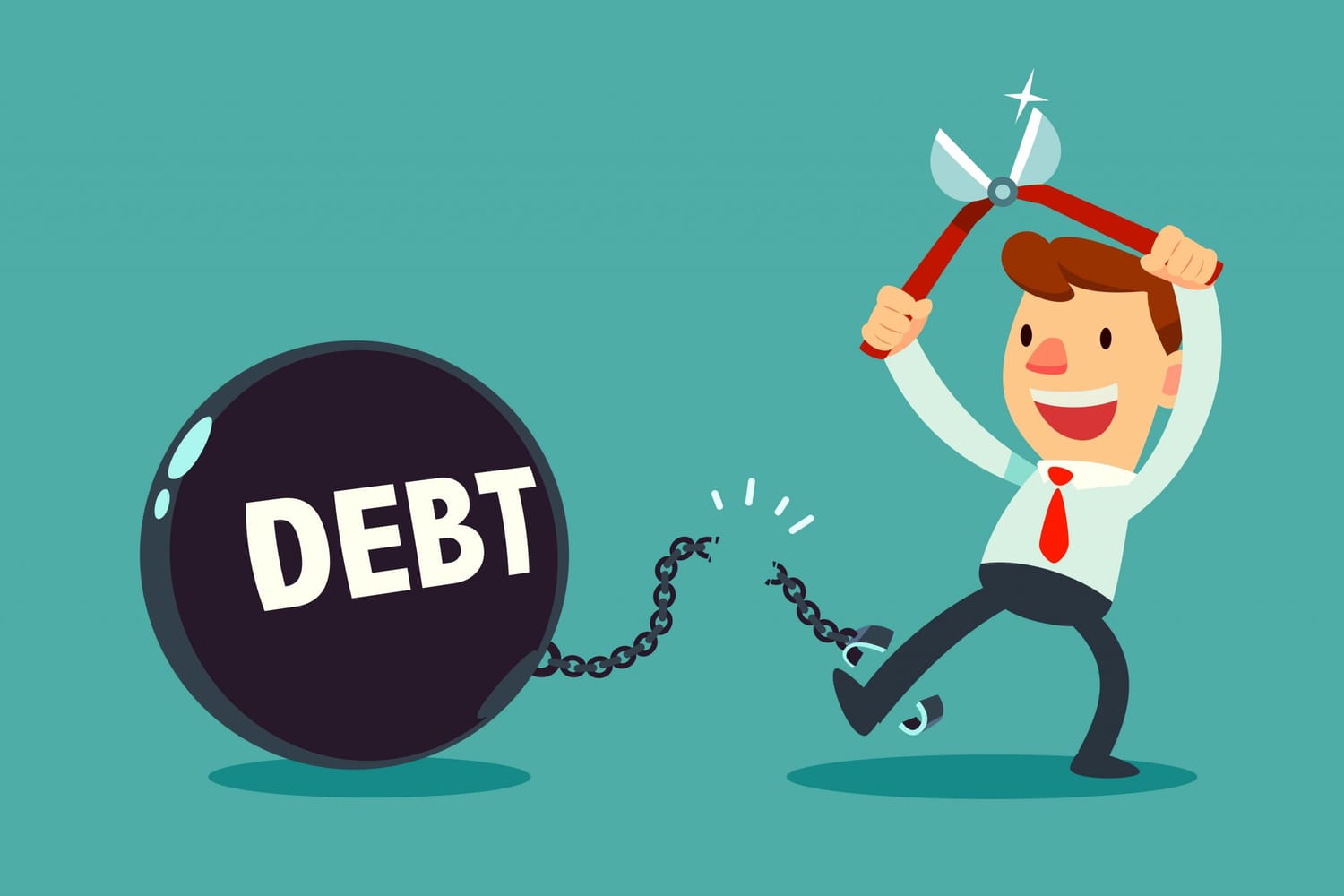
Understanding Tax Debt Relief Options in the U.S.
There are several structured ways individuals and businesses may approach tax debt. The right option depends on factors such as the amount owed, income level, and financial situation.
🔹 IRS Installment Agreements
Installment agreements allow taxpayers to repay their debt over time through monthly payments.
This approach is commonly used when:
Paying the full amount immediately is not feasible
A structured repayment plan is needed
The goal is to remain compliant while resolving the balance
These plans provide:
Predictable payment schedules
A structured way to manage outstanding obligations
🔹 Structured Tax Relief Programs
Some individuals explore structured relief programs designed to address tax debt based on eligibility and financial position.
These may involve:
Reviewing overall financial circumstances
Exploring repayment or resolution options
Identifying approaches suited to the individual situation
🔹 Short-Term Repayment Options
For smaller balances, short-term repayment approaches may be available.
These options focus on:
Resolving the debt within a defined period
Minimizing long-term financial impact
💡 Each option depends on individual eligibility and financial circumstances.
Key Factors That Influence Tax Debt Solutions
Choosing the right approach depends on understanding how your situation aligns with available options.
✔ Total Tax Debt
The amount owed can determine which options may be available or practical.
✔ Income and Financial Position
Your ability to repay plays a major role in structuring any solution.
✔ Filing Status
Being current with tax filings can affect eligibility for certain programs.
✔ Time Sensitivity
Interest and penalties may accumulate over time, making early action important.
✔ Complexity of Your Situation
Multiple years of tax debt or additional financial obligations can influence the best approach.

Why a Personalized Assessment Can Help
Even with general information, it can be difficult to determine which tax solution is most suitable.
This is because:
IRS options vary depending on individual circumstances
Small differences in income or debt can affect eligibility
Some solutions require a detailed review
A short assessment can help by:
Matching your situation with commonly explored options
Highlighting relevant approaches
Providing a clearer direction for next steps
💡 Free • No obligation • Takes less than 30 seconds
A trusted resource for understanding debt solutions — and exploring what options may be available.
Created with systeme.io