
How to Approach Troubled Debt Restructuring the Right Way
When financial obligations become difficult to manage, understanding your restructuring options becomes critical.
Learn how troubled debt restructuring, repayment adjustments, and structured financial solutions work — and explore what may be suitable for your situation.
Take a Free Debt Assessment Quiz to Identify the Best Solution for You
(Takes less than 30 seconds)
Why Understanding Troubled Debt Restructuring Matters
Financial challenges can arise for many reasons — changes in income, operational pressures, or unexpected expenses.
When obligations begin to exceed what is manageable, simply continuing with the same repayment structure may not be sustainable.
Troubled debt restructuring focuses on reworking financial obligations to better align with current realities.
However, many people and businesses explore restructuring without fully understanding:
What restructuring actually involves
When it is appropriate
How it compares to other financial solutions
Taking time to understand these factors can help you:
Avoid decisions that increase financial pressure
Identify more suitable repayment strategies
Move toward a more stable financial position
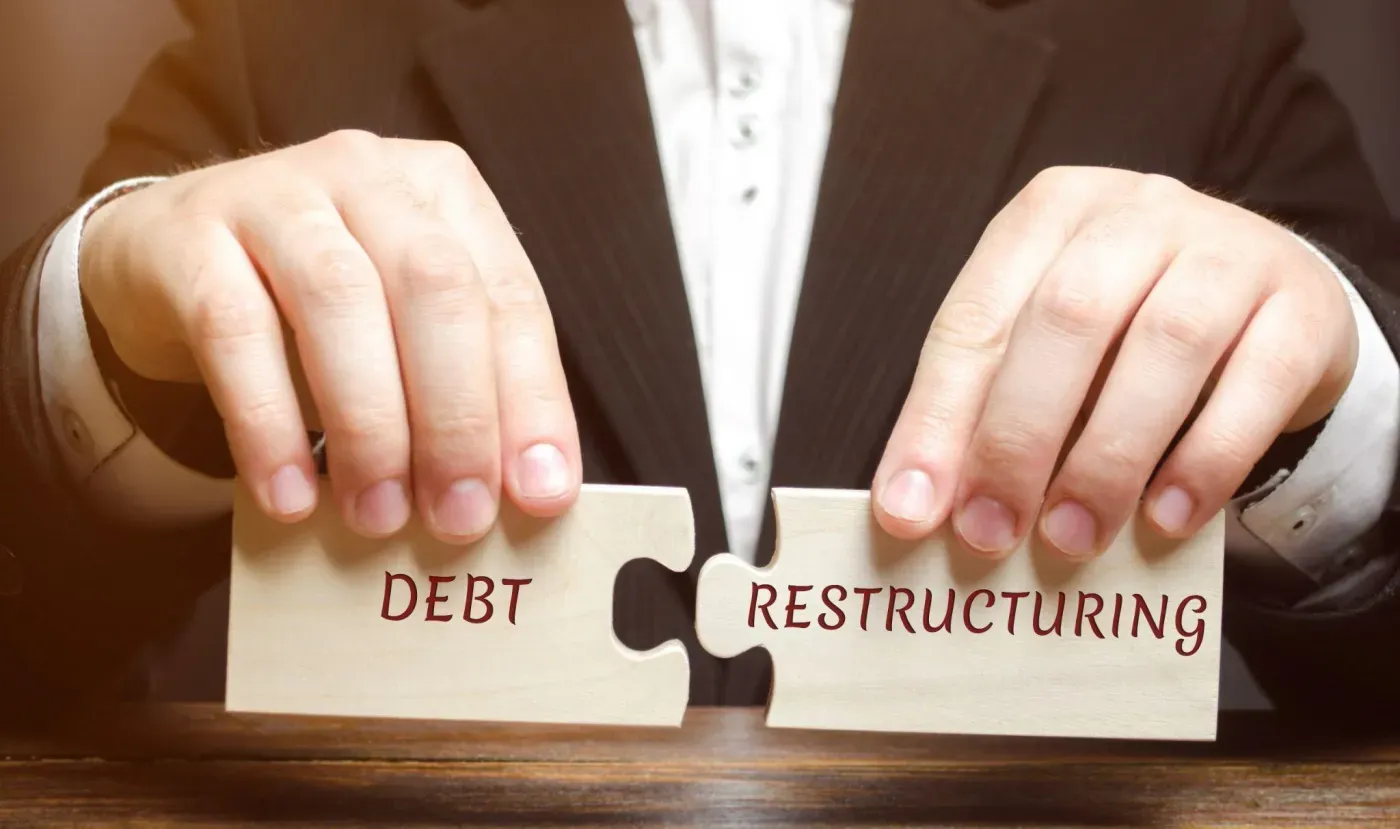
Understanding Troubled Debt Restructuring
Troubled debt restructuring refers to situations where existing debt obligations are modified due to financial difficulty.
This typically occurs when:
Current repayment terms are no longer sustainable
Cash flow is insufficient to meet obligations
Financial conditions have changed significantly
🔹 What Troubled Debt Restructuring Involves
Restructuring may include:
Extending repayment periods
Adjusting payment amounts
Revising terms to improve manageability
Creating structured repayment schedules
The goal is not always to reduce the total amount owed, but to create a more realistic and sustainable repayment path.
🔹 When Restructuring Is Commonly Considered
This approach is often explored when:
Debt obligations have become difficult to maintain
Multiple payments are affecting cash flow
Financial pressure is impacting day-to-day operations
Other simple repayment strategies are no longer sufficient
🔹 How It Differs from Other Debt Solutions
Understanding the difference between restructuring and other options is important:
Debt Relief: Focuses on resolving or reducing debt under certain conditions
Debt Consolidation: Focuses on simplifying multiple payments
Restructuring: Focuses on adjusting how debt is repaid
Each approach serves a different purpose depending on the situation.
💡 Restructuring is often part of a broader strategy for managing financial challenges.
Key Factors That Influence Restructuring Decisions
Before considering any restructuring approach, it’s important to evaluate:
✔ Cash Flow and Financial Stability
Your ability to meet adjusted payments is central to any restructuring plan.
✔ Total Debt Obligations
The size and structure of your debt influence what options may be available.
✔ Type of Debt
Restructuring approaches may vary depending on whether the debt is:
Personal
Business-related
Secured or unsecured
✔ Number of Creditors
Managing multiple creditors may require more structured solutions.
✔ Long-Term Financial Goals
Restructuring should support both immediate relief and long-term stability.
Why a Structured Assessment Can Help
Even with a general understanding of restructuring, determining the most appropriate approach can be challenging.
This is because:
Financial situations vary significantly
Small differences can affect available options
Some solutions only apply under specific conditions
A short assessment can help:
Identify restructuring and related options based on your situation
Highlight potential approaches used in similar cases
Provide a clearer direction for next steps
💡 Free • No obligation • Takes less than 30 seconds
A trusted resource for understanding debt solutions — and exploring what options may be available.
Created with systeme.io